


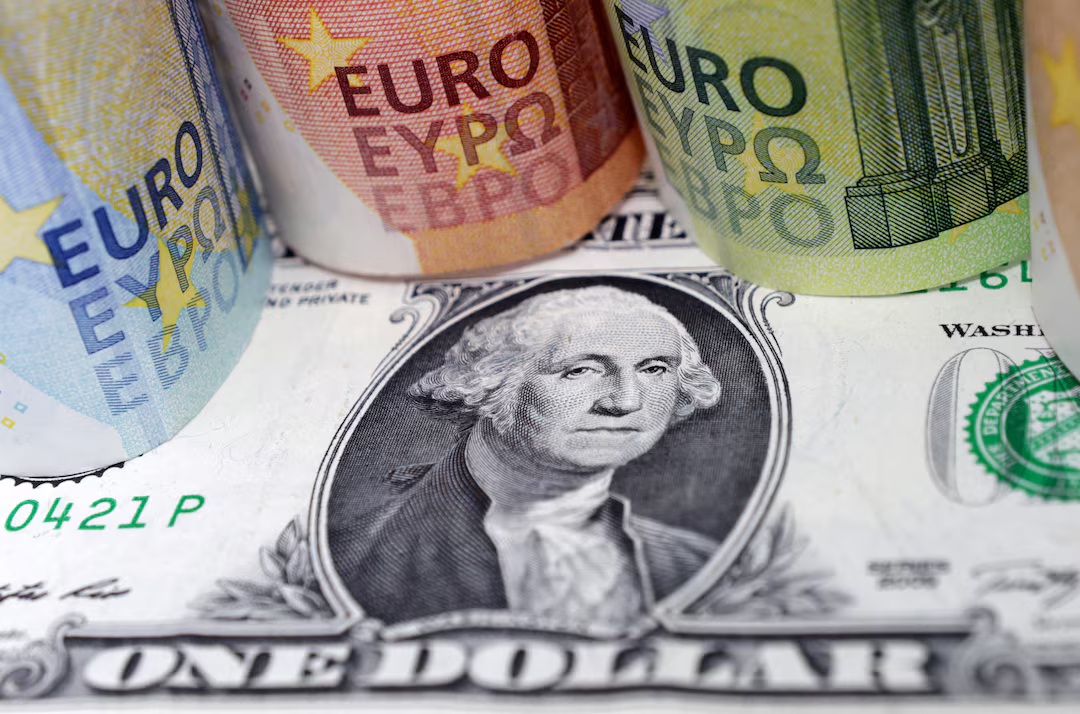
Changes in the dollar and euro exchange rates directly affect the amount a customer receives after converting their funds. This is important when preparing for travel, making international payments, making larger purchases, or keeping savings in a foreign currency. When exchanging a substantial amount, even a small fluctuation in exchange rates can affect the final result. Therefore, it is worth checking current rates before exchanging currencies rather than relying on rates from previous days. Understanding the main causes of currency fluctuations makes it easier to assess the current market situation.
The US dollar and the euro can perform very differently even during the same period. USD and EUR are influenced by economic developments in different regions as well as by decisions made by their respective central banks. As a result, the dollar may strengthen while the euro remains relatively stable, while under different circumstances the opposite may occur. These differences are particularly noticeable following the release of important economic information and monetary policy decisions. For this reason, movements in the two currencies should be analyzed separately.
What determines the exchange rates of the dollar and euro?
One of the key factors affecting the US dollar is the monetary policy of the US Federal Reserve. The euro exchange rate is strongly influenced by decisions made by the European Central Bank and by the economic condition of eurozone countries. The currency market is also affected by inflation, interest rates, international trade, and the balance between supply and demand. For currency exchange in Poland, the performance of the Polish zloty against major global currencies is also important. Together, these factors shape the current USD/PLN and EUR/PLN exchange rates. As a result, the dollar and euro do not necessarily move in the same direction.
The currency market can react quickly to new economic information. Following a central bank decision, the release of inflation data, or other important economic indicators, exchange rates can change within a short period of time. During calmer periods, however, rates may remain relatively stable throughout the day. Even available economic forecasts cannot accurately predict the future direction of the USD or EUR. From a practical perspective, it is therefore better to check current data immediately before exchanging currency.
Factors affecting the dollar and euro exchange rates include:
- decisions by the US Federal Reserve and the European Central Bank;
- inflation levels and changes in interest rates;
- the balance between supply and demand in the currency market;
- international economic and political events;
- the strengthening or weakening of the Polish zloty.
Current conditions for exchanging dollars and euros in Warsaw can be checked at White Money currency exchange. This allows customers to review current rates before making an exchange and calculate the amount they can receive. For larger amounts, it is worth confirming the details in advance. This makes it possible to take current market conditions into account rather than relying on approximate or outdated values. This is particularly important during periods of increased volatility in the currency market.
How to choose the right time to exchange currency
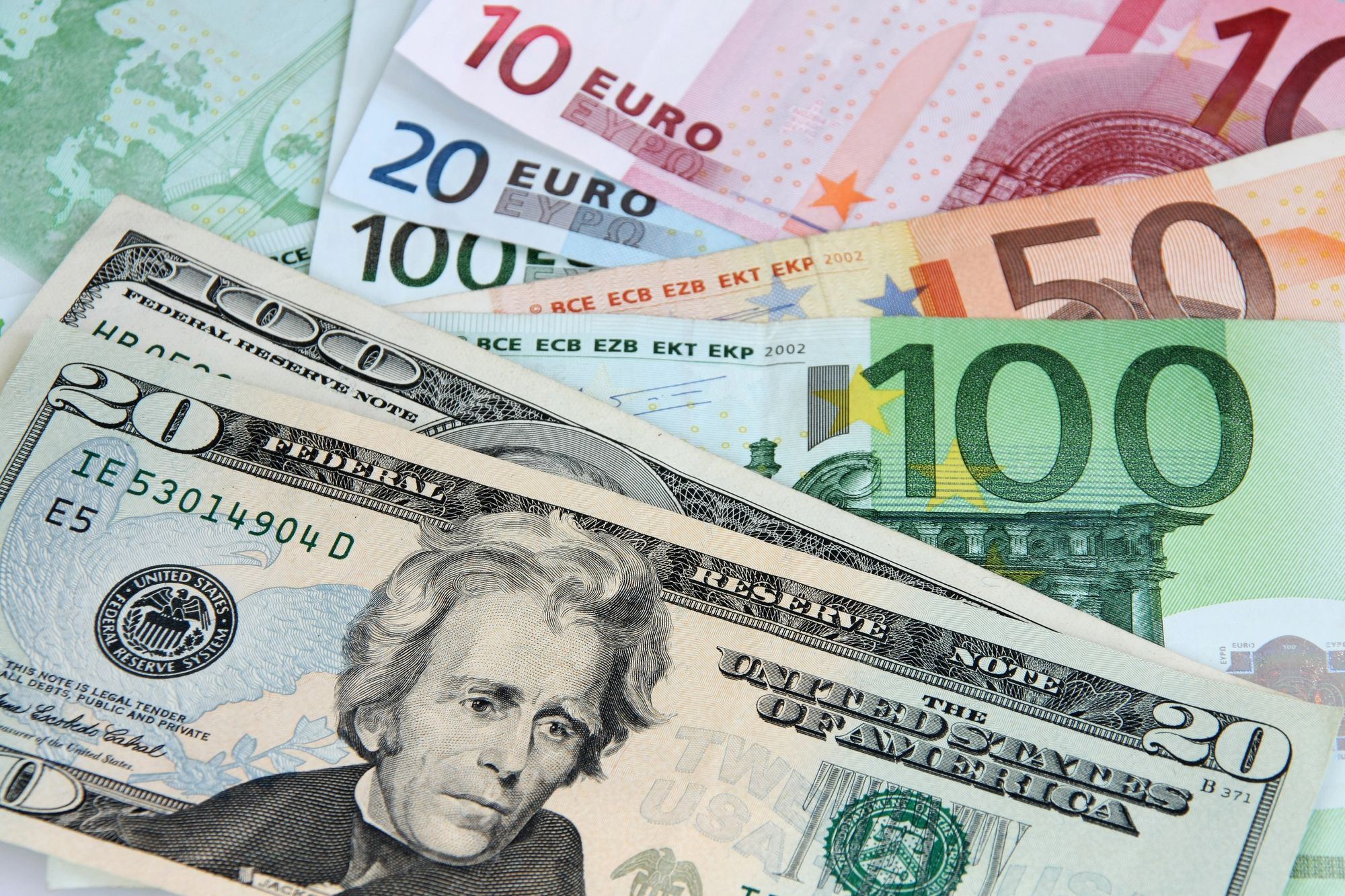
A sharp change in exchange rates within a single day does not always mean that it is the best time to buy or sell a currency. If euros or dollars do not need to be exchanged immediately, it may be useful to monitor the market for several days and check the calendar of major economic events. For smaller amounts, short-term fluctuations often have a limited impact on the final result, while the difference becomes more noticeable with larger sums. Following the release of important data, the market may react with a sharp movement followed by a period of more stable rates. Therefore, making a decision solely on the basis of a single sudden rise or fall in the exchange rate is not always the best approach.
Currency exchange conditions are influenced not only by developments in the foreign exchange market but also by the rules governing financial services related to currency exchange. More information about planned changes can be found in the article “New Currency Exchange Rules in Poland: What Will Change in 2026?”. It discusses new requirements for currency exchange offices, currency exchange machines, and services offering cashless currency exchange. Understanding the current regulations makes it easier to understand how currency transactions are carried out in Poland. Combined with checking current exchange rates, this provides more information needed to make a decision before exchanging currency.